

(Feature Impact) Finding a job – even under the best circumstances – is not easy. In this market, recent high school and college grads are having a historically tough time finding work, according to Hiring Lab data.
The challenges are amplified as competition for dwindling entry level job openings – fueled in part by AI adoption impacting post-graduate jobs – is intense.
Graduates are submitting countless applications, often without a response. They’re carving time out of their packed schedules for cold calls, interviews and networking. Many are also working jobs in retail or service industries to make ends meet amidst an undeniable affordability crisis.
Yet there’s a strategic opportunity both for graduates and employers to help today’s workforce: volunteerism.
For graduates, it provides hands-on experience to build their resumes, develop professional networks and explore career paths.
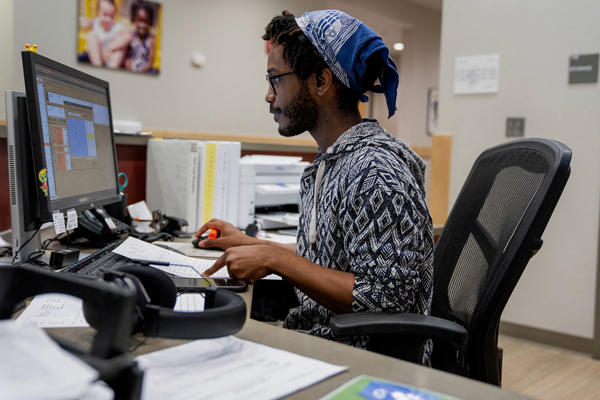 For employers, it acts as an extended interview process, offering opportunities to assess candidates’ skills while boosting company morale, brand reputation and community ties and social responsibility efforts.
Many nonprofits like United Way – as well as businesses, public agencies and other employers – need support in critical areas like communications, event planning, operations, fundraising and technology, which provide hands-on responsibility and skill-building.
“Giving back changes lives but it also opens doors, giving you more opportunities to grow as a person and a professional,” said Rosie Allen-Herring, interim president and CEO of United Way Worldwide. “It is one of life’s greatest joys to volunteer your time to help people in need. However, the benefits don’t stop there, as volunteering also gives you the opportunity to build new skills and form meaningful connections that shape your future.”
For recent graduates, volunteering can:
- Build transferable, real-world skills
Some of the strongest early-career applicants – whether entering the workforce directly from high school or with a college degree – are those who continue building skills, gaining experience and showing initiative after graduation. Employers increasingly value curiosity, adaptability and a willingness to learn skills that volunteering can help build.
Volunteer roles also provide real-world transferable skills that AI can’t replicate: communication, leadership, time management, emotional intelligence, teamwork and complex problem-solving.
- Deepen and accelerate networking opportunities
Meaningful volunteer experiences can place young adults shoulder-to-shoulder with local civic and corporate leaders who have hiring power. According to Gallup research, 55% of youth volunteers find mentors who actively help them reach their career goals.
Volunteering can also create opportunities for established professionals to invest in the next generation – whether through resume reviews, mock interviews, mentorship or professional associations and local networking groups.
- Illustrate your “why”
Volunteering can help young adults find their passion and purpose. It gives them the space to explore different professional pathways. Aligning volunteer opportunities with career interests allows emerging professionals to test-drive industries and work in environments before committing to a long-term path or even a more structured internship program.
For example, high school graduates interested in skilled trades can contribute to community-build projects. Business majors might assist with fundraising strategy. Tech-savvy young adults can support website management. Communications graduates can strengthen social media, writing or content development.
You can start by reaching out to your network of family, friends and colleagues; explore volunteer matching opportunities at your local high school or college career center; or ask local nonprofits directly where they need help most. Another easy place to start is by finding your local United Way, which connects volunteers with meaningful opportunities in communities across the country.
Young adults can also look for short-term or skills-based projects that fit around part-time work or job searching, whether that’s tutoring students, helping with community events, assisting with digital marketing, supporting food banks or volunteering virtually. Even a few hours a week can build valuable experience, grow your network and open doors.
For employers interested in engaging their employees in volunteerism, visit unitedway.org/how-you-can-help/partner-with-us.
Source: United Way Worldwide


