

(Feature Impact) Everyone loves driving on clean highways and spotless local roads. Few people, however, realize the benefits of clean roads go well beyond mere aesthetics. Cleaner roads also mean cleaner and healthier local rivers, lakes and beaches.
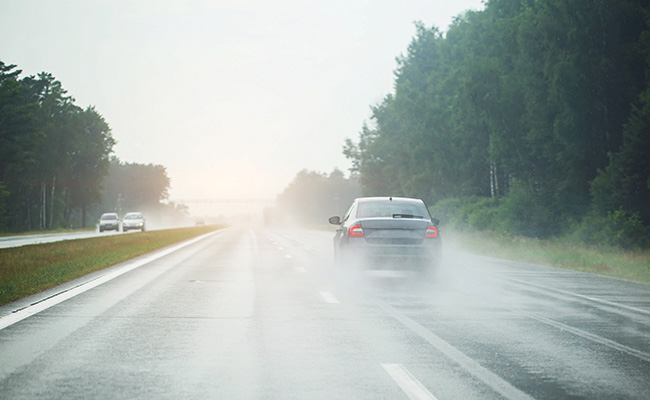
That’s because harmful pollutants in local waters often run off untreated from highways and roads during strong storms. Those rains sweep trash, dripped oil, harmful chemicals and even dangerous bacteria from pet waste into local waters via stormways and sewers. This untreated runoff can affect people’s health, make water unsafe for swimming and harm aquatic life. Every year, such man-made “stormwater pollution” even closes portions of recreational rivers and beaches.
It’s up to everyone to help prevent human-caused stormwater pollution. Don’t wait for rain in the forecast to get started. Instead, follow these simple year-round tips from the experts at the California Department of Transportation to help make the cooling waters in California and beyond as fun and healthy as possible this summer.
Trash-Free Trips and Responsible Car Care
Summer can mean more road time traveling to your next adventure. Loose items in truck beds and on roof carriers or trash tossed from car windows can quickly become the next wave of stormwater pollution flowing into local waters. To reduce:
- Secure Your Load: Always securely tarp and tie down anything in a truck bed or on a roof rack. Items falling off vehicles are both a safety hazard and can become roadside debris.
- Keep a Car Trash Catcher: Designate a bag or container in your car for food wrappers, coffee cups and other small trash until you can dispose of it properly.
- Wash Smart: Commercial car washes that recycle water are superior for preventing road dirt and chemicals accumulated on your car from entering storm drains compared to washing in a driveway. If washing at home, do it on your lawn or a permeable surface where the water naturally filters into the ground and not street gutters.
Outdoor Adventures That Leave Only Footprints
Whether you’re hiking a mountain trail, picnicking at the park or relaxing on the beach, remember the outdoor golden rule: pack out everything you pack in. Food wrappers, plastic bottles and even seemingly small items like bottle caps and cigarette butts are some of the most common litter found in parks, waterways and along coastlines. When left behind, they’re not just eyesores; they’re prime candidates for being washed into waterways.
- Pro Tip: Choose reusable water bottles that clip onto bags to reduce pollution from discarded plastic bottles.
At Home and In Your Neighborhood
Even close to home, your actions can make a difference.
- Garden Care: When tidying up your garden or front lawn, sweep leaves and grass clippings into your green bin instead of hosing them down the driveway. Hosing yard waste into road gutters can clog storm drains and cause flooding.
- Pesticide Prevention: To protect waterways from harmful chemical runoff, opt for organic or eco-friendly alternatives for pest and weed control whenever possible.
- Scoop the Poop: Pet waste contains harmful bacteria that can contaminate waterways. In fact, the EPA estimates that just two days’ worth of waste from 100 dogs can produce enough bacteria to close a beach. Always pick up after your pets, especially when walking in your neighborhood or parks, and dispose of it in a trash bin.
Pollution in waterways doesn’t just look bad; it creates real problems, from harming wildlife and ecosystems to causing potential health issues for humans and pets who encounter contaminated water. The cleaner roads and surrounding areas are, the healthier rivers, lakes and beaches become. For more tips and resources, visit CleanWaterCA.com to ensure a clean, healthy summer for everyone.
Photos courtesy of Shutterstock


