

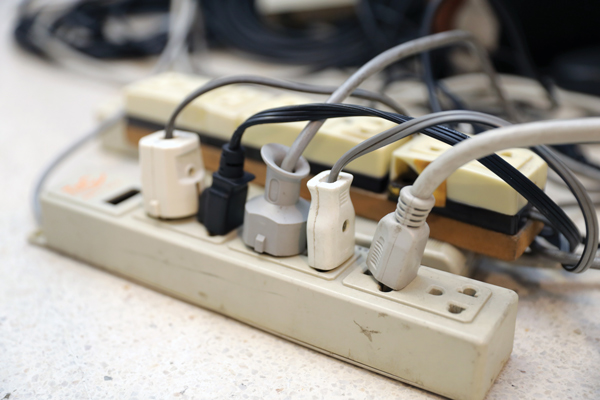
(Feature Impact) Power strips make it easy to add outlets where families need them, but they aren’t designed to handle every appliance in the home. Plugging certain high-powered appliances into a power strip can overload it, potentially causing overheating and increasing the risk of an electrical fire.
“Power strips are so common that it’s easy to assume anything with a plug can safely go into one, but that’s not the case,” said Bonnie Lee, vice president of property claims at Mercury Insurance. “Appliances that draw significant power can generate more heat than a power strip is designed to handle. A simple change in where you plug something in can help eliminate an unnecessary fire risk.”
The National Fire Protection Association (NFPA) recommends plugging portable space heaters directly into wall outlets and warns that extension cords can be too small for electrical loads such as space heaters and air conditioners. Additionally, the U.S. Consumer Product Safety Commission warns that power strips can pose a fire hazard when overloaded.
Take a closer look at these five household items, as recommended by the home safety experts at Mercury Insurance:
1. Space Heaters
Portable electric space heaters can draw substantial power and should be plugged directly into a wall outlet rather than a power strip or extension cord. The NFPA also recommends keeping space heaters at least 3 feet away from anything that can burn and turning them off when leaving the room or going to bed.
2. Air Fryers
Air fryers pack a powerful heating element. Depending on the model, that can mean a significant electrical load while the appliance is operating. Follow the manufacturer’s instructions and, when directed, plug the appliance directly into an appropriate wall outlet rather than a power strip already serving other kitchen devices.
 3. Microwaves
Microwaves require significant power during operation and generally should have a dedicated or properly rated outlet consistent with the manufacturer’s instructions. Avoid treating an available spot on a countertop power strip as an extra kitchen outlet. If there aren’t enough outlets to safely accommodate appliances, consider having a qualified electrician evaluate the setup.
4. Refrigerators and Freezers
Refrigerators and freezers operate around the clock, and their compressors can create additional electrical demand when cycling on. These appliances should be connected according to manufacturer’s instructions and applicable electrical requirements rather than relying on a power strip as a permanent wiring solution.
5. Portable Air Conditioners
Like space heaters, portable air conditioners can place a heavy load on an electrical circuit. NFPA guidance notes extension cords may be too small for loads including air conditioners. Follow the manufacturer’s instructions and use an appropriate wall outlet rather than assuming a power strip can safely handle the appliance.
For information about in-home fire safety, visit MercuryInsurance.com/resources.
Give Your Power Strips a Home Safety Check
The appliances plugged into a power strip aren’t the only things homeowners should consider. The condition and use of the strip itself matter, too.
Homeowners should avoid plugging one power strip into another, commonly known as “daisy chaining,” and should never use a power strip as a substitute for permanent household wiring. Damaged, discolored or unusually warm power strips should be taken out of service. Also check that power strips are appropriate for their intended use and follow all manufacturer’s instructions and electrical ratings.
“If you need power strips throughout a room just to operate everyday appliances, the bigger issue may be that your home electrical system isn’t meeting your needs,” Lee said. “Adding outlets or having an electrician evaluate the circuit may take a little more effort, but it’s a much better solution than creating a potential fire hazard.”
Homeowners should also pay attention to warning signs including frequently tripped circuit breakers, outlets or plugs that feel unusually warm, flickering lights, burning odors, buzzing or crackling sounds and discoloration around outlets. A qualified electrician should evaluate electrical problems rather than relying on additional power strips or extension cords as a workaround.
Photos courtesy of Shutterstock
Source: Mercury Insurance


