

(Feature Impact) When it comes to protecting your heart, supporting your kidney function and improving your metabolic health, you’ll find the advice for each one looks similar. That’s because your body’s systems are deeply interconnected: what affects one will have ripple effects across the others.
Cardiovascular-kidney-metabolic health, or CKM health, is a perfect example. When any one of these systems is compromised, it can lead to problems with the others. Therefore, it’s not uncommon for health problems like heart disease, stroke, diabetes and kidney disease to develop or worsen simultaneously – a condition collectively known as CKM syndrome.
The reverse is also true, so habits that are healthy for your heart will have a positive effect on your kidneys and metabolic system and vice versa. Consider these simple strategies that align with the American Heart Association’s Life’s Essential 8, a list of healthy steps that can improve overall health. Learn more about how these habits and health measures affect your CKM health at Heart.org.

- Choose Healthy Foods – Food is your body’s fuel, so fill your tank wisely. Certain types of foods can help your blood pressure, cholesterol, blood glucose and triglycerides stay within healthy ranges, while poor nutrition can push those numbers into more dangerous territory. Focus on vegetables, fruits, whole grains, plant-based proteins (e.g. beans, legumes and nuts) and lean animal proteins (e.g. seafood, skinless poultry and low-fat dairy). Drink plenty of water throughout the day and limit added sugar and salty or fatty foods.

- Stay Physically Active – Exercise doesn’t have to feel like a chore – in fact, some of your favorite hobbies may already count. The American Heart Association recommends aiming for 150 minutes per week of moderate physical activity like dancing, gardening or walking, moving quickly enough to elevate your heart rate and break a light sweat. Alternatively, choose 75 weekly minutes of vigorous exercise that gets you breathing hard and fast; think running, swimming, playing tennis or riding your bike on hilly terrain.

- Avoid Nicotine – Tobacco and other nicotine products can raise your blood pressure, damage blood vessels and increase your risk of heart attack and stroke, which are all bad news for your CKM health. If you’re currently trying to quit, you aren’t alone, so don’t be afraid to seek out support groups and resources to help.

- Prioritize Healthy Sleep – Sleep gives your body a chance to rest and recover from the day, but it’s often one of the first things people sacrifice when life gets busy. Poor sleep can increase your risk for heart disease, weight gain and other issues. Aim for a solid 7-9 hours a night. Keep your bedroom cool, dark and comfortable, and do your best to limit distractions like late-night smartphone scrolling.

- Watch Your Blood Pressure – When your blood pressure is high, it forces your heart to work harder to pump blood through the body, which can weaken it over time. It can also damage the delicate arteries in and around the kidneys, putting CKM health further at risk. Information is power, so check your blood pressure frequently to know whether further action is needed to keep it under control.

- Manage Your Blood Sugar – High blood sugar can damage the kidneys, eyes, blood vessels and more, thereby increasing your chance of developing harmful CKM conditions. Controlling blood sugar is particularly important for people with diabetes. If you don’t have diabetes and still experience frequent blood sugar spikes and crashes, talk to your doctor.

- Control Your Cholesterol – Cholesterol comes in both “bad” (LDL) and “good” (HDL) forms, requiring a balancing act to keep your levels within a healthy range. If LDL is high and HDL is low, your risk of clogged blood vessels, heart attack and stroke are higher. Healthy levels keep blood flowing to your heart and kidneys, supporting your metabolic health in the process. See your doctor for regular bloodwork so you can monitor cholesterol changes.
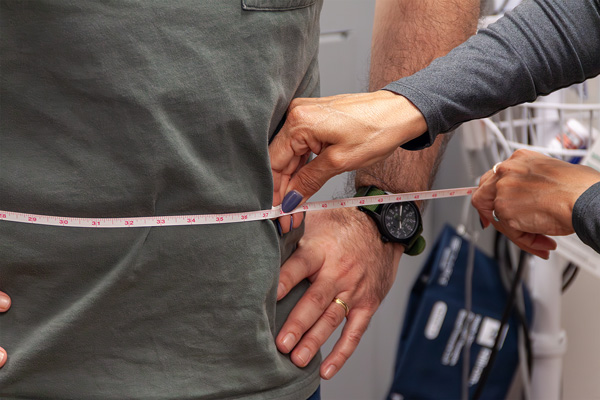
- Maintain a Healthy Weight – Since excess body weight puts pressure on the heart, kidneys and other organs, a healthy body weight helps lower your risk of CKM syndrome. Whether you’re hoping to maintain or reduce your weight, regular exercise, healthy eating and quality sleep are all great ways to achieve your goals.
Source: American Heart Association


