

(Feature Impact) A stroke can happen to anyone at any age.
In fact, every 40 seconds someone in the United States has a stroke, with approximately 800,000 people experiencing a stroke annually, according to the American Heart Association, making it a leading cause of death and serious, long-term disability.
A stroke happens when normal blood flow in the brain is interrupted. When parts of the brain don’t get the oxygen-rich blood they need, those cells die.
However, many strokes may be prevented, treated and overcome by understanding the risk factors and taking steps toward managing them.
“When a stroke happens, every minute matters,” said Dr. Adrian Jaquin-Valdivia, a stroke neurologist at HCA Healthcare and American Stroke Association volunteer expert. “The faster someone gets treatment, the better the chance of saving brain function. On average, nearly 2 million brain cells die every minute a stroke goes untreated. Early treatment improves survival rates and reduces disability.”
Take control of your brain health with this information from the American Stroke Association.
Know the Warning Signs
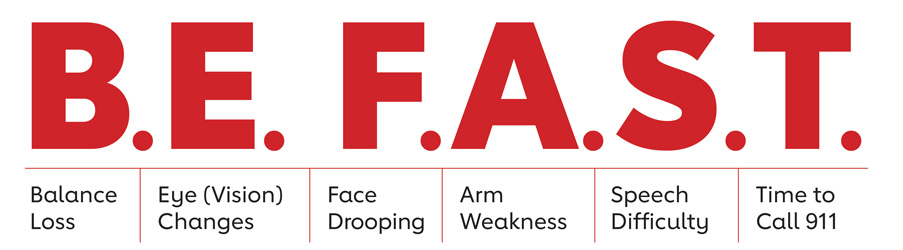
Because strokes do not discriminate, knowing the signs is key. To help you recognize common warning signs and symptoms of stroke and take action in moments that matter, remember this simple acronym: B.E. F.A.S.T.
B: Balance loss – sudden difficulty with walking, dizziness or loss of balance or coordination.
E: Eye (or vision) changes – sudden vision loss or trouble seeing in one or both eyes.
F: Face drooping – one side of the face droops or feels numb; a smile may look uneven.
A: Arm weakness – one arm feels weak or numb or drifts downward when raised.
S: Speech difficulty – a telltale sign of a stroke is slurred speech or trouble speaking.
T: Time to call 911 – If someone is having any of these symptoms, even if the symptoms go away, call emergency services immediately to jumpstart care. Be sure to check the time so you'll know when the first symptoms started.
Explore the signs by playing the interactive, web-based B.E. F.A.S.T. Experience to see what stroke symptoms may look, feel and sound like.
Take Steps to Protect Your Health
Approximately 80% of strokes are preventable, according to the American Stroke Association. Everyday choices – such as eating well, moving more, not smoking and keeping up with routine health screenings, along with managing risk factors with the support of a health care professional – can help lower stroke risk.
Manage Risk Factors
High blood pressure is the leading risk factor for stroke, according to the 2025 American Heart Association/ACC Guideline for the Management of High Blood Pressure in Adults. Controlling blood pressure through regular checkups, at-home monitoring, following your treatment plan and maintaining a healthy lifestyle can significantly reduce your risk of stroke and support overall brain health.
Additionally, having a stroke or mini stroke, known as a Transient Ischemic Attack (TIA), increases the chances of having a second one. That’s why identifying what caused your stroke and reducing your personal risk factors can help protect your health and reduce the risk of another stroke.
To learn more about stroke risk factors and better understand the warning signs, visit Stroke.org/StrokeMonth, where you can also access stroke support services and subscribe to the Stroke Connection e-newsletter for the latest resources.
Photo courtesy of Shutterstock
Source:


