

(Feature Impact) Every year, about 200,000 service members transition from military service into civilian careers, offering employers access to a highly skilled and mission-driven talent pool. As organizations across industries seek dependable employees who can adapt and lead, veterans bring experience that translates directly to business success.
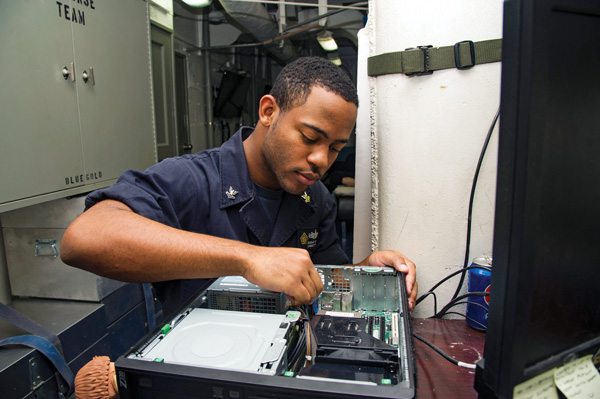
Veterans enter the workforce with a wide range of technical and professional skills. Military occupations span fields such as logistics, engineering, cybersecurity, aviation and health care, many of which align closely with civilian roles. This experience allows veterans to apply their training to roles across industries, from manufacturing to information technology, using their practical knowledge developed during their service.
Beyond technical expertise, veterans are widely recognized for their reliability, adaptability and strong work ethic. Military culture emphasizes responsibility, teamwork and accountability – qualities that can strengthen workplace culture and improve team performance. Additionally, employers that hire veterans with disabilities often qualify for federal tax credits, and many workplace accommodations are available to employers at no cost.
Despite these advantages, veterans transitioning from military service to civilian employment still face challenges. One of the most common obstacles is translating military experience into language civilian employers understand. Although more than 80% of military roles have civilian equivalents, differences in job titles and terminology related to responsibilities and accomplishments gained during service may not align neatly with traditional job descriptions, making it difficult for veterans to clearly communicate their qualifications.
 To address these challenges, resources aimed at improving the understanding of military experience have grown in recent years. For example, DAV (Disabled American Veterans), a nonprofit organization that provides a lifetime of support for veterans of all generations, their families and survivors, recently released an updated edition of “The Veteran Advantage: DAV’s Hiring Guide for Employers of the Military Community,” a resource designed to help companies better recruit, hire and retain veteran and military spouse employees. The guide is available for free download at davhiringguide.org.
The no-cost guide offers practical information for employers seeking to build veteran-friendly workplaces. It includes guidance on translating military skills into civilian job qualifications, developing hiring initiatives focused on the military community and establishing employee resource groups for veterans and military spouses. It also highlights inclusive hiring practices designed to reduce barriers and better support those who have served.
“Veterans and military spouses consistently demonstrate strong work values, but many still face hurdles when transitioning into civilian careers,” DAV CEO Barry Jesinoski said. “Hiring veterans doesn’t just fill open roles – it strengthens organizations. But employers who don’t understand how to align military experience with business needs might overlook that talent.”
The nonprofit organization also connects employers with veteran job seekers through employment initiatives and outreach efforts. These programs help organizations better understand the value veterans bring to the workforce while supporting successful transitions into civilian careers.
These efforts are especially important as many veterans continue to face barriers to employment. According to the U.S. Department of Labor, the veteran unemployment rate in March 2026 was 3.8%, with the rate climbing to 5.4% among veterans with disabilities, underscoring the persistent challenges many encounter when transitioning to the civilian workforce.
For many employers, hiring veterans is not simply about filling open positions. It’s an opportunity to bring experienced leaders and skilled professionals into the workforce – individuals whose service has prepared them to contribute in meaningful ways long after their military careers have ended.
Photos courtesy of DVIDS. The appearance of U.S. Department of Defense (DoW) visual information does not imply or constitute DoW endorsement.
Source: Disabled American Veterans


